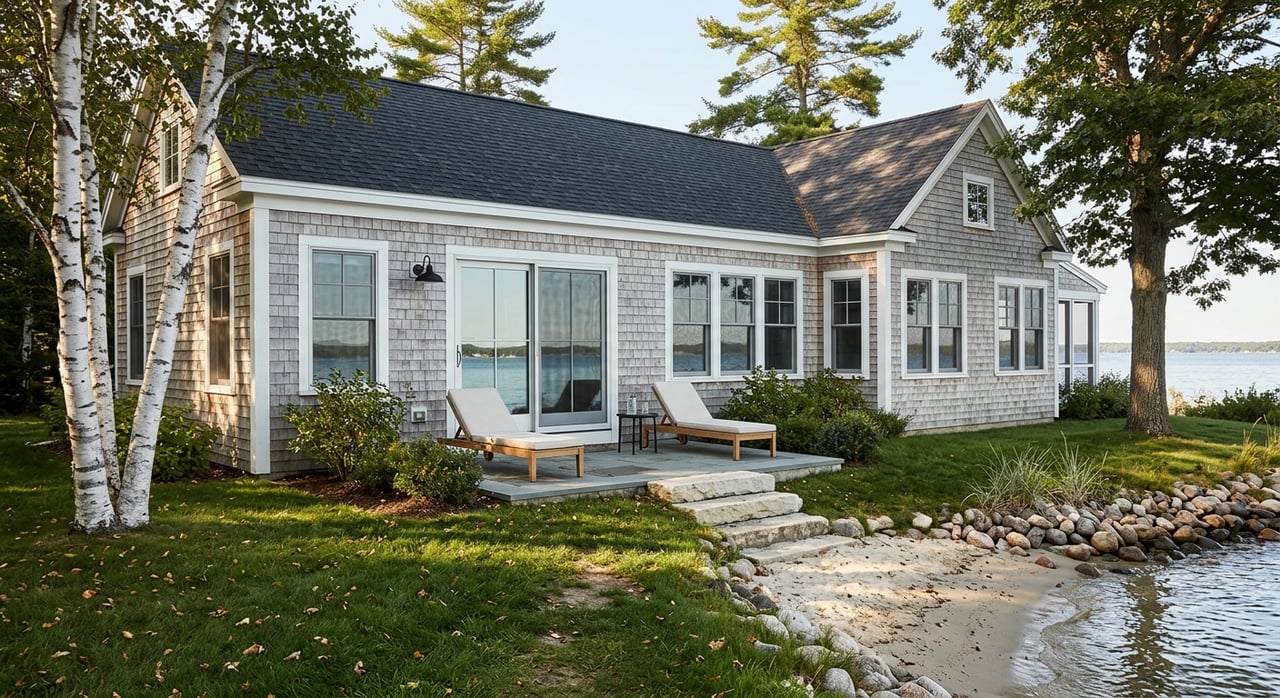
Buying a lake home in Glen Arbor can feel like a dream come true, but it also comes with details that matter more here than in many other markets. If you are picturing quiet mornings by the water, boat days, and a long-term retreat for your family, it helps to know that not all “lake homes” in Glen Arbor offer the same ownership experience. This guide will help you sort through the key questions, avoid common surprises, and buy with more confidence. Let’s dive in.
Why Glen Arbor lake homes are unique
Glen Arbor is shaped by water in a very specific way. The village sits on a sandbar between Lake Michigan and Glen Lake, and the township describes the area as a mix of forests, dunes, rivers, inland lakes, streams, islands, and Lake Michigan.
That setting is part of what makes Glen Arbor so appealing, but it also means one waterfront property can differ sharply from another. The township also notes that the area has about 900 year-round residents, a seasonal population of roughly 5,000, and more than a million visitors each year, so access, use patterns, and seasonality all play a bigger role than many buyers expect.
Know which water you are buying on
One of the first things to confirm is which body of water the property actually fronts. In Glen Arbor, that question can shape everything from shoreline rules to dock expectations to the feel of daily ownership.
A home on Lake Michigan is very different from a home on Glen Lake. A property with shared access or easement-based access is another category altogether, even if it is marketed with strong waterfront appeal.
Lake Michigan frontage
Lake Michigan is part of the Great Lakes system, and Michigan EGLE describes Great Lakes shorelines as high-energy coastal environments. Waves shape beaches and rocky shorelines, dunes are common, and water levels can change considerably over hours, seasons, and years.
That matters because shoreline work is regulated differently on Great Lakes frontage. EGLE regulates construction to the ordinary high-water mark and requires permits or conveyances for activities such as filling, dredging, and structures on Great Lakes bottomlands.
For Glen Arbor buyers, erosion and dune regulation also deserve close attention. EGLE’s high-risk erosion mapping includes Leelanau County and Glen Arbor Township layers, and Critical Dune Area rules may apply in this part of Lake Michigan dune country.
Glen Lake frontage
Glen Lake offers a different ownership experience. According to the National Park Service, Glen Lake became landlocked from Lake Michigan by sandbars, and its clear blue water is fed by groundwater rather than runoff.
Because Glen Lake is an inland lake, the permitting path is different from Lake Michigan. EGLE says seasonal docks and hoists for private, non-commercial use may avoid permits if they meet state conditions, while permanent structures are treated differently.
The shoreline character can differ too. At Little Glen Lake, the National Park Service describes grassy shoreline with some rocky sand, and it notes that most of the shoreline is private property.
Shared access and common waterfront
Some Glen Arbor properties offer water access through shared frontage, common areas, or easements rather than direct private frontage. These setups can still be a great fit, but you will want to review the deed, survey, and any shared-use documents carefully.
Glen Arbor’s zoning ordinance also allows dedicated open space to be owned or maintained by entities such as a homeowners association, condominium association, private conservation organization, or the township. That makes it especially important to understand what you own outright, what you share, and what rules apply.
Shoreline rules can affect future plans
If you think you may add a dock, improve a shoreline, or expand a home near the water, do not treat that as a later problem. In Glen Arbor, permit requirements can be a major part of the buying decision.
For inland lake projects, EGLE recommends natural shoreline treatments like plantings and natural stone when possible, rather than hard armoring. For projects where land meets water, the EGLE joint permit process may come into play depending on the work involved.
On Lake Michigan frontage, the rule set can be broader because projects may involve Great Lakes bottomlands, critical dunes, environmental areas, or high-risk erosion areas. If future improvements matter to you, confirming the permit path early can save time and frustration.
Septic and well checks matter more here
Lake properties often come with private septic systems, private wells, or both. In Glen Arbor, that makes due diligence on water and wastewater systems especially important.
The Benzie-Leelanau District Health Department requires a time-of-transfer evaluation when an existing dwelling with a septic system and or water well changes ownership. For new wells, the department requires permits, inspection, and water-quality sampling before final approval.
Glen Arbor Township’s ordinance list also references a point-of-sale well and septic inspection requirement. Before you assume a property is move-in ready, ask for the well, septic, and time-of-transfer records.
Vacant land needs extra scrutiny
If you are considering a buildable lot instead of an existing home, you will want to ask deeper questions before you fall in love with the setting. A beautiful parcel near the water is not always a straightforward build.
The county health department’s vacant-land evaluation looks at:
- Soil type
- Soil permeability
- Seasonal high-water table
- Slope
- Setbacks from wells and surface water
- Easements and rights-of-way
- Buried utilities
- Runoff patterns
- Surrounding development
In a place like Glen Arbor, where water, slope, dunes, and access can all influence what is possible, those items are not small details. They are central to whether a lot fits your plans.
Access and parcel details can change everything
Access is easy to overlook when you are focused on views and frontage, but it can affect both daily use and long-term value. That is especially true in a seasonal market with busy summer traffic and a mix of older parcels, shared drives, and private roads.
Glen Arbor Township requires prior approval for land divisions under 40 acres. Its application also asks for parcel maps, access for automobiles and public utilities, and road maintenance agreements or easements when needed.
The township states that noncompliant divisions are not recognized for tax or permitting purposes. If you are buying a split parcel, shared-access property, or vacant land, this is a key area to verify early.
Flood and erosion risks should be checked early
Waterfront buyers often focus on the fun side of ownership first, but insurance and site risk deserve equal attention. Before you budget for improvements or ongoing ownership costs, check the property’s flood and erosion exposure.
FEMA’s Flood Map Service Center is the official place to check flood maps, and FEMA notes that most homeowners insurance does not cover flood damage. For Lake Michigan frontage, you should also check whether the parcel falls within a High-Risk Erosion Area or a Critical Dune Area.
These designations can affect your costs, your options, and your comfort level with the property over time. They are easier to evaluate before an offer than after closing.
Think through seasonal use now
Glen Arbor’s seasonal rhythm is part of the appeal, but it should also shape your buying strategy. The township points to heavy summer visitation and a strong seasonal population swing, which means your ideal setup may depend on how you plan to use the home.
If you want a year-round home, confirm winter access, snow removal, and how the property handles colder months. If you want a summer retreat, think about whether the home is set up for shorter, more intense use periods and how utilities, storage, and maintenance are managed.
If boating is part of your plan, ask about dock rights, hoist rights, and any applicable local rules. Glen Arbor Township’s ordinance list includes a local watercraft control ordinance for Glen Lake, so it is smart to confirm the rules tied to the specific parcel.
A practical Glen Arbor buyer checklist
Before you move forward on a lake home in Glen Arbor, make sure you have clear answers to these questions:
- Which body of water does the parcel actually front?
- Is shoreline access private, shared, or controlled by easements or common areas?
- Are well, septic, and time-of-transfer records available?
- Is the parcel in a flood zone, High-Risk Erosion Area, or Critical Dune Area?
- What do the survey, deed, easements, and road agreements say?
- Are there confirmed rights for a dock, boat lift, or shoreline use?
- Does your intended use or future project require township approval, site plan review, or an EGLE permit?
- If the property is seasonal, how are winter access, utility shutoffs, parking, and maintenance handled?
Why local guidance matters in Glen Arbor
Glen Arbor lake homes are not one-size-fits-all properties. A listing may look simple on the surface, but the real ownership picture often depends on shoreline type, access rights, zoning, health department records, and future-use goals.
That is why local guidance matters so much here. When you have a team that understands waterfront property, vacant land questions, and the practical differences between Lake Michigan, Glen Lake, and shared-access ownership, you can make decisions with more clarity and less guesswork.
If you are exploring lake homes in Glen Arbor and want help weighing frontage, access, and property-specific questions, Blue Lakes Real Estate Group is here to help you move forward with clear, local guidance.
FAQs
What should you verify before buying a Glen Arbor lake home?
- Confirm the body of water, type of access, well and septic records, flood or erosion exposure, zoning limits, and any easements or dock rights tied to the parcel.
How is Lake Michigan frontage different from Glen Lake frontage in Glen Arbor?
- Lake Michigan frontage is subject to Great Lakes shoreline conditions and regulations, including possible erosion and dune-related limits, while Glen Lake is an inland lake with different dock and shoreline permitting rules.
Do Glen Arbor lake homes need septic or well inspections at sale?
- Existing dwellings with a septic system and or water well are subject to a time-of-transfer evaluation through the Benzie-Leelanau District Health Department.
What should you review when buying vacant land in Glen Arbor near the water?
- Review soil conditions, seasonal high-water table, slope, setbacks, easements, utilities, runoff patterns, access, and whether the parcel is truly buildable for your intended use.
Why do shared-access lake properties in Glen Arbor need extra review?
- Shared-access properties may involve easements, common areas, association rules, or limited shoreline rights, so you need to understand exactly what is included with ownership.