By Blue Lakes Real Estate Group
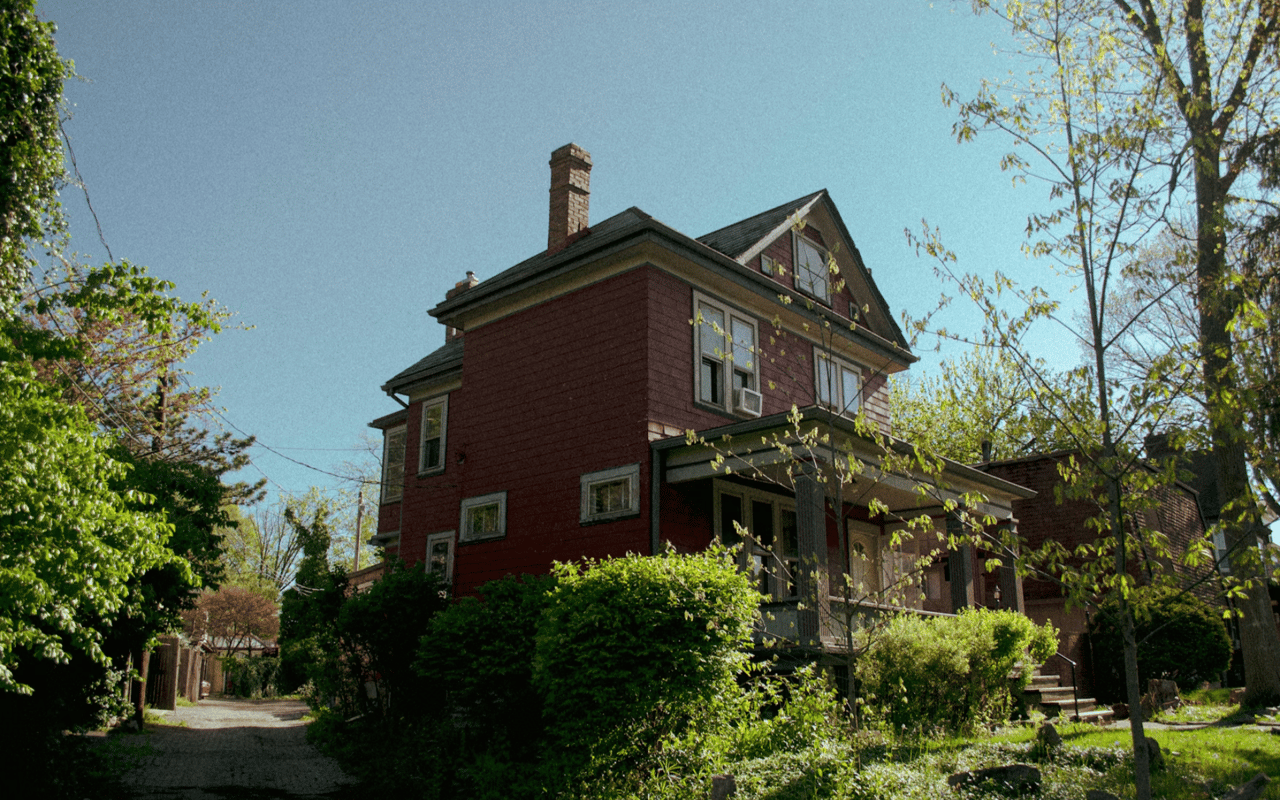
Traverse City's historic housing stock developed between the 1880s and the 1940s, when the city's economy ran on lumber, fishing, and cherry agriculture. The result is a walkable residential core of Queen Anne Victorians, Craftsman bungalows, and Foursquare homes within easy reach of Grand Traverse Bay and the Front Street corridor.
That inventory is finite and genuinely coveted. This guide gives you the framework for how to find a historic home in Traverse City before someone else does.
Key Takeaways
- Neighborhood focus: Historic homes are concentrated in specific districts, and knowing which ones to target improves your search immediately.
- Condition variables: Historic properties require specific due diligence around structural systems and prior renovation work.
- Preservation considerations: Some properties carry designation status that affects what renovations are permitted.
- Market pace: Well-priced historic homes move quickly and reward buyers who are prepared to act.
Know the Neighborhoods Before You Search
Traverse City's historic residential fabric is concentrated in a handful of neighborhoods surrounding the downtown core.
Traverse City's Primary Historic Neighborhoods
- Old Town: This area has the city's most architecturally significant historic homes. Queen Anne Victorians with original wraparound porches sit on substantial lots reflecting Traverse City's lumber era prosperity.
- Slabtown: This neighborhood has Craftsman bungalows and Foursquares built primarily between 1900 and 1930. It is one of the most competitive entry points into the historic market.
- Sixth Street corridor: This area has a mix of late Victorian and early 20th-century homes. It offers proximity to both Boardman Lake Park and the downtown district.
- Washington Street corridor: This tree-lined street has Foursquare and Craftsman homes from the 1910s and 1920s. It reflects the quiet residential character of early Traverse City at its most intact.
How to find a historic home in Traverse City starts with committing to a specific neighborhood target. Buyers who define their priorities first move faster and more decisively when the right property appears.
Historic Home Condition and Due Diligence
Historic homes in Traverse City range from fully restored properties with updated systems to original-condition homes with minimal intervention since construction.
Due Diligence Priorities for Historic Home Buyers
- Electrical system: Many pre-1940 homes retain original knob-and-tube wiring. Insurance companies increasingly decline to cover these properties without full replacement.
- Foundation and basement: Michigan's freeze-thaw cycle stresses older foundation systems. A structural engineer's review of any stone or brick foundation is worth the additional cost.
- Plumbing: Original galvanized steel supply lines corrode from the inside. A licensed plumber's assessment of flow rate and pipe condition belongs in every historic home inspection.
- Roof and exterior envelope: Original wood siding and historic wood windows require condition assessment by an inspector comfortable evaluating traditional materials.
The most common variables in Traverse City's historic housing stock require inspectors with specific experience in older construction. Standard inspectors calibrated to newer builds consistently miss issues that matter most in pre-1940 homes.
Historic Designation and Renovation Realities
Some of Traverse City's most desirable historic properties carry formal designation through the Michigan State Historic Preservation Office or through local landmark status administered by the City of Traverse City's Historic District Commission.
What Buyers Should Know About Historic Designation
- Local Historic District Commission review: Exterior alterations to designated properties require HDC approval before permits are issued.
- Secretary of the Interior Standards: Designated properties must follow federal preservation standards for any work using historic tax credits.
- Michigan Historic Preservation Tax Credit: Qualified rehabilitation on certified historic structures may be eligible for a 25 percent state tax credit.
- Non-designated historic properties: Many Traverse City historic homes carry no formal designation and are subject only to standard zoning requirements.
How to find a historic home in Traverse City that fits your renovation intentions requires knowing a property's designation status before committing to a vision for what it could become.
FAQs
Are historic homes in Traverse City more expensive than comparable newer properties?
Historic homes in Old Town and the Washington Street corridor command premiums driven by lot size and walkability to the downtown core. Fully restored historic properties with updated systems consistently outperform original-condition homes at resale.
How competitive is the market for historic homes in Traverse City?
Well-priced move-in-ready historic properties in Old Town and Slabtown move quickly. Buyers without pre-approval and a defined neighborhood target are consistently outmaneuvered by prepared buyers who have done their homework first.
Can I get financing on a historic home that needs significant renovation work?
Standard conventional financing is available for historic homes in livable condition. Properties requiring substantial renovation may qualify for FHA 203(k) loans or conventional renovation financing that wraps purchase and rehabilitation costs into a single loan.
Contact Blue Lakes Real Estate Group Today
Historic homes in Traverse City reward buyers who approach the market with preparation and realistic expectations about condition and designation. We at Blue Lakes Real Estate Group have guided buyers through every step of how to find a historic home in Traverse City.
Reach out to us at Blue Lakes Real Estate Group for a strategy that puts you in front of the right historic property in the right Traverse City neighborhood.