By Blue Lakes Real Estate Group
Home appraisals are one of the most consequential steps in any real estate transaction, and one of the least explained. At Blue Lakes Real Estate Group, we work with buyers and sellers throughout Traverse City and the surrounding lakeshore communities, and we make it a priority to walk our clients through exactly what to expect before an appraiser ever sets foot in the door. The more you understand about how appraisals work (and what drives the final number), the better positioned you'll be on either side of the deal.
Key Takeaways
-
A home appraisal is an independent assessment of market value required by most lenders
-
Appraisers in the Traverse City market weigh location, condition, and comparable sales
-
Sellers can take specific steps before an appraisal to support their home's value
-
Buyers have clear options if an appraisal comes in below the agreed purchase price
What a Home Appraisal Actually Is
An appraisal is a licensed appraiser's independent opinion of what your home would sell for under normal market conditions. The lender orders it to confirm the property supports the loan amount; it's a standard part of any financed transaction, not a reflection of how the deal is going.
In Traverse City, where waterfront properties, historic homes near the bay, and newer construction in areas like Hartman-Hammond all coexist, appraisers have real work to do. Finding comparable sales (homes similar enough in size, location, and condition to be useful benchmarks) takes local expertise and careful judgment.
In Traverse City, where waterfront properties, historic homes near the bay, and newer construction in areas like Hartman-Hammond all coexist, appraisers have real work to do. Finding comparable sales (homes similar enough in size, location, and condition to be useful benchmarks) takes local expertise and careful judgment.
What Appraisers Evaluate
-
Square footage and layout: Finished living space, number of bedrooms and bathrooms, and functional floor plan
-
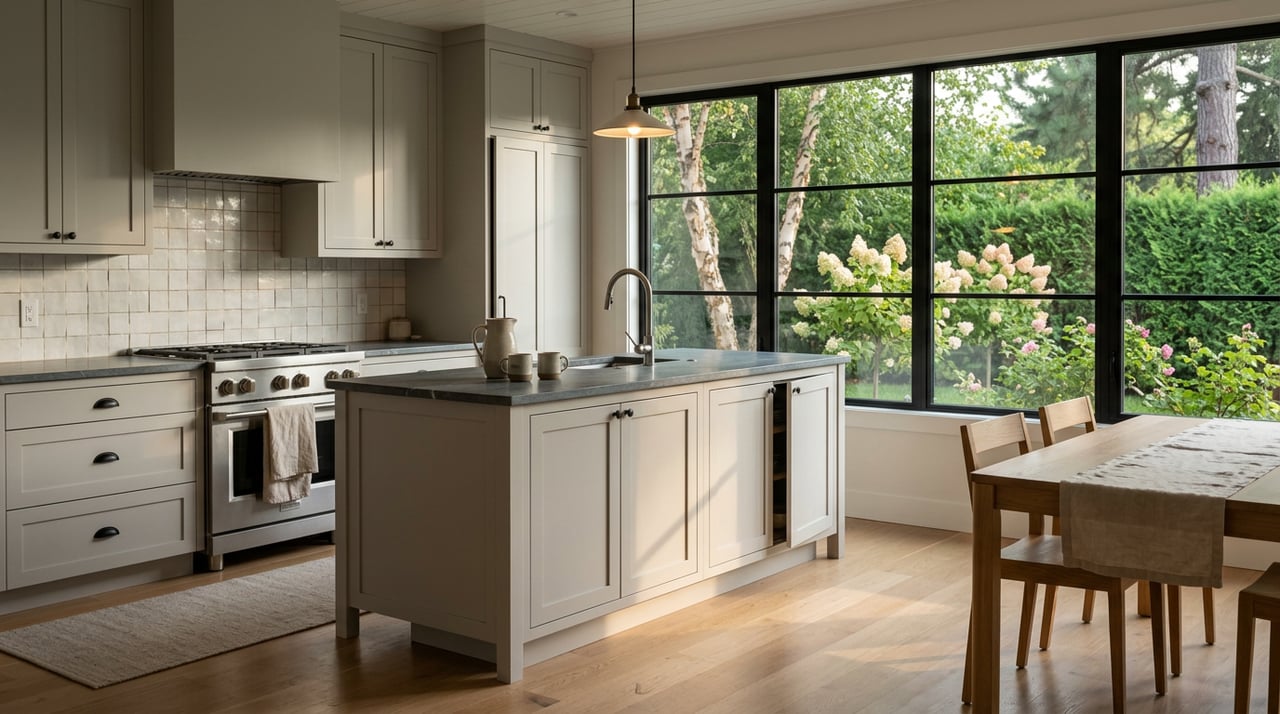
Condition and age: Updates to kitchens, baths, roofing, and mechanical systems all factor into value
-
Location: Proximity to West Grand Traverse Bay, downtown Traverse City, or the TART Trail corridor carries real weight
-
Recent comparable sales: Typically pulled from the last 90–180 days within a close geographic radius
-
Lot characteristics: Waterfront access, views, acreage, and lot usability matter considerably in this market
How the Appraisal Process Works
Once a purchase agreement is signed, the buyer's lender typically orders the appraisal within a few days. The appraiser schedules an on-site visit, which usually takes 30–60 minutes for a standard single-family home. They photograph the property, take measurements, note the condition, and document any features that affect value.
After the visit, the appraiser prepares a written report and submits it to the lender. Turnaround in the Traverse City area typically runs one to two weeks, though seasonal demand during the summer peak can extend timelines.
After the visit, the appraiser prepares a written report and submits it to the lender. Turnaround in the Traverse City area typically runs one to two weeks, though seasonal demand during the summer peak can extend timelines.
What Happens After the Report Is Submitted
-
Appraisal meets or exceeds purchase price: The transaction moves forward without disruption
-
Appraisal comes in below purchase price: Buyer and seller have several options to negotiate a path forward
-
Appraisal contains an error: Either party can request a reconsideration of value with supporting documentation
-
FHA or VA appraisals: These follow additional guidelines and condition requirements beyond standard conventional appraisals
What Sellers Can Do Before an Appraisal
Preparation gives the appraiser every reason to recognize your property's full value. This matters more than most sellers realize, especially in a market like Traverse City, where seasonal improvements and outdoor living spaces carry real buyer appeal.
We always recommend sellers compile a list of every meaningful upgrade completed in the last five to ten years (new roof, updated HVAC, remodeled kitchen, added square footage) and have it ready to hand to the appraiser at the visit. Documentation helps appraisers support the adjustments they make in your favor.
We always recommend sellers compile a list of every meaningful upgrade completed in the last five to ten years (new roof, updated HVAC, remodeled kitchen, added square footage) and have it ready to hand to the appraiser at the visit. Documentation helps appraisers support the adjustments they make in your favor.
Steps to Take Before the Appraiser Arrives
-
Complete minor repairs: Address leaking faucets, broken fixtures, and any visible deferred maintenance
-
Clean and declutter: A well-maintained appearance supports the appraiser's condition notes
-
Prepare an improvements list: Include dates, costs, and scope of any renovations or major system replacements
-
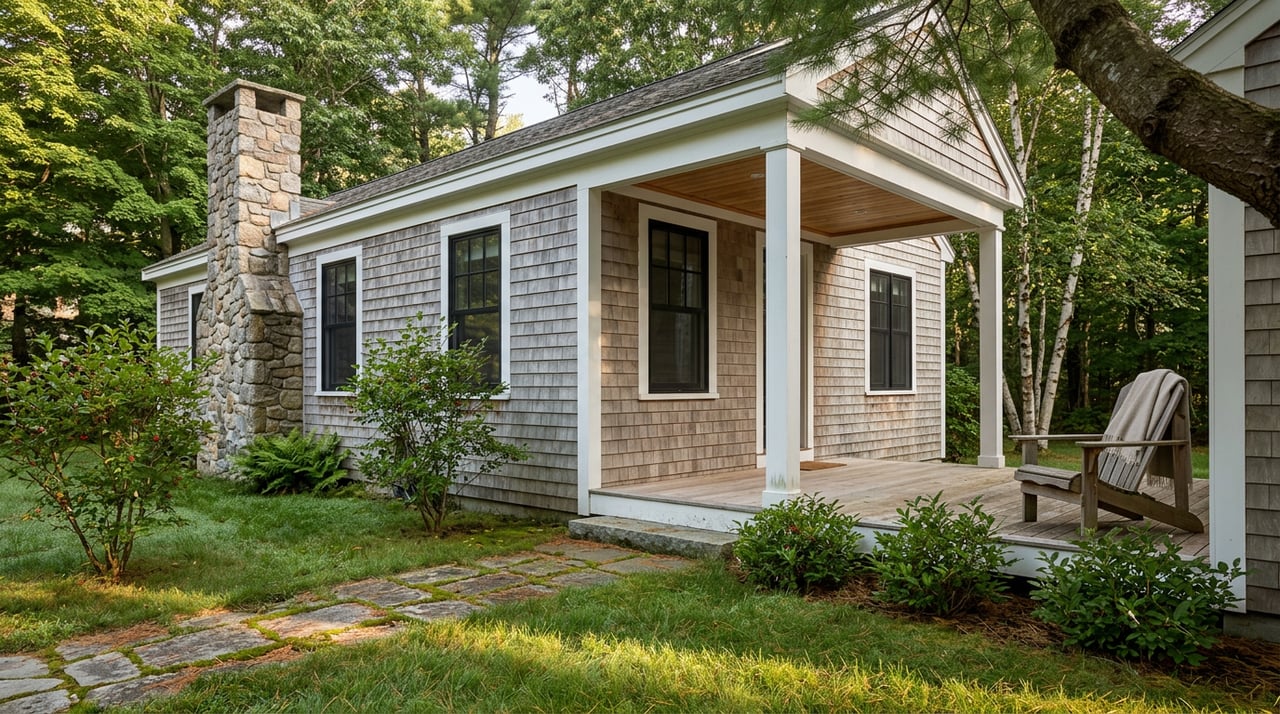
Maximize curb appeal: First impressions shape the appraiser's overall read on condition before they walk through the door
-
Ensure full access: Make sure the appraiser can enter all areas, including the basement, attic, and any outbuildings
What Buyers Should Know About Appraisal Outcomes
Understanding your options ahead of time makes the appraisal process straightforward, regardless of the result. In a competitive Traverse City market, where lakefront and near-water properties sometimes draw offers above list price, buyers benefit from knowing exactly how to respond if the appraised value and purchase price need to be reconciled.
Every scenario has a workable path, and we help our clients evaluate which one fits their goals.
Every scenario has a workable path, and we help our clients evaluate which one fits their goals.
Options When the Appraised Value and Purchase Price Differ
-
Renegotiate the purchase price: Seller adjusts the price to align with the appraised value
-
Buyer covers the difference: Buyer pays the gap between the appraised value and purchase price out of pocket
-
Split the difference: Buyer and seller each absorb part of the gap to keep the deal on track
-
Request a reconsideration of value: Submit comparable sales the appraiser may not have included
-
Exercise the appraisal contingency: Buyers with this contingency in their agreement can exit without penalty
Frequently Asked Questions
How long does a home appraisal take in Traverse City?
The on-site visit typically takes 30–60 minutes for a standard home. After that, expect the written report within one to two weeks, though timelines can extend during the busy summer season.
Can we be present during the appraisal?
As a seller, you can be present, and we generally recommend it. Being available to point out upgrades and answer questions helps the appraiser get a complete picture of the property.
What if we want to request a reconsideration of value?
We can submit a formal reconsideration to the lender with supporting comparable sales and documentation. When we have strong evidence to present, it's always worth pursuing.
Contact Blue Lakes Real Estate Group Today
Understanding the appraisal process puts you in control of your transaction, and we make sure every client we work with walks into it informed. From waterfront listings on West Bay to homes in the neighborhoods surrounding downtown Traverse City, we've guided buyers and sellers through every step of the process.
When you're ready to buy or sell in the Traverse City area, reach out to us at Blue Lakes Real Estate Group, and let's talk through where you are in the process. We're here to make every step clear, straightforward, and as smooth as possible.
When you're ready to buy or sell in the Traverse City area, reach out to us at Blue Lakes Real Estate Group, and let's talk through where you are in the process. We're here to make every step clear, straightforward, and as smooth as possible.